KJC Medicinal Garden
Kahi jeerige
Vernonia amygdalina
Order: Asterales
Family: Asteraceae
Genus: Vernonia
Species: V. amygdalina
Common Names: Bitter leaf , South African Leaf
Native to Tropical Africa
Other plants of the same genus with medicinal properties
-
Vernonia condensata
Vernonia colarate
Vernonia cineria
Vernonia guineensis
Vernonia conferta
- Bushy shrub or well- formed tree upto height of 5m
- Leaves: Petiole leaf with 6mm in diameter, elliptical, Dark green leaves
- Barks are rough
- Flowers: White colour flower
Uses in Tradition systems of medicine
- Used in Ayurveda
- The organic extracts of the plants possess cytotoxic effects towards human carcinoma cells of the nasopharynax
- It is effective against with amoebic dysentery, gastrointestinal disorder, antimicrobial and antiparasitic activity
- It is used for kidney problems , Liver diseases, bacterial infection ,GIT disorders.
- The seeds are used in folk medicine and in many herbal preparations for the treatment of ailments such as laryngitis, liver disorders, and bronchitis
- The leaves are used as green leafy vegetable and may be consumed either as a vegetable (leaves are macerated in soups) or aqueous extracts used as tonics for the treatment of various illnesses
- The leaves are used traditionally to induce fertility in women
- The young fresh leaves are used in treating diabetes, fever, high blood pressure constipation and as laxative
- The leaves, root and twig of the plant are used for treating wounds, venereal diseases and hepatiti
- Vitamins C and Vitamin A
- Protein: 33%,Fat (10.1%),crude fibre(29.2%),ash(11.7),mineral(Na ,K ,Ca, Mg, Zn ,Fe),phytate(1015.4mg/100g) and tannin(0.6%) content ,while it contain low cyanide(1.1mg/kg)
Suggested Medicinal Properties
- Anti-fertility
- Anticancer
- Antidiabetic
- Antifungal
- Antimicrobial
- Analgesic
- Antiparasitic
- Antitumor
- Anti -plasmodial
- Anti-schistosomal
- Antifeedant
- Antioxidative
- Antimalarial property
- Wound healing activity
- Gastroprotective activity
Active Phytochemicals
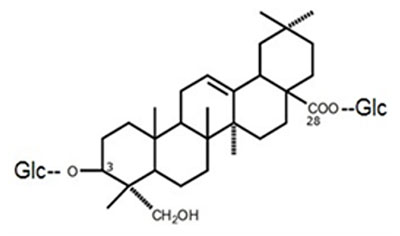
1. Saponins (Triterpene glycosides)
They are usually bitter tasting toxic bioorganic compounds that have a foamy quality when agitated in water. They are used in medicine, soaps, also speciously used in dietary supplements for the synthesis of steroids and in carbonated beverages. Structurally they are glycosides, sugars attached to another organic molecule, usually a steroid or triterpene, a steroid building block.
Saponins are both fat and water soluble which gives them the soap properties. Saponins are used in ammonia emission in animal feeding. They have been reported in many edible legumes. They exhibit a biological role and medicinal properties such as haemolytic factor, cytotoxic ,anticancer, antimicrobial, insecticidal , anti-inflammatory and molluscicidal action.
2. Alkaloids
They are a class of naturally occurring basic organic compounds with at least one nitrogen atom. They uniformly evoke a bitter taste. They are uses in traditional and modern medicine and in starting of drug discovery. They are inducers of sexual behaviour in invertebrates and mammals.
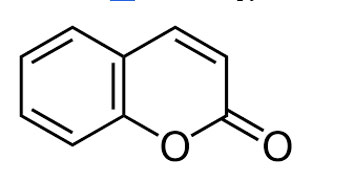
3. Coumarins ( 2H-1-benzopyran-2-one)
It is a plant derived natural product known for its major pharmacological properties like antimicrobial, antioxidant, antihypertensive and neuroprotective properties. They consist of large class of phenolic substances found in plants and are made of fused benzene and alpha-pyrone rings.
4.Flavonoids
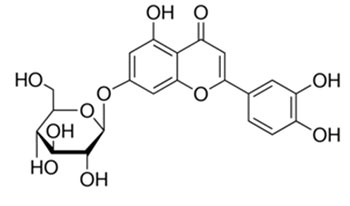
They area group of natural substances found with various phenolic substances found in fruits , vegetables, flowers, tea and wine. They are known for the beneficial effects on health and are considered as an indispensable component in variety of nutraceutical, medicinal, pharmaceutical and cosmetic applications. Three flavones were identified with chemical and spectroscopic techniques from Vernonia amygdalina. They were identified as luteolin, luteolin 7-O-beta-glucuronoside (most abundant), and luteolin 7-O-beta-glucoside.
5. Phenolic Acids
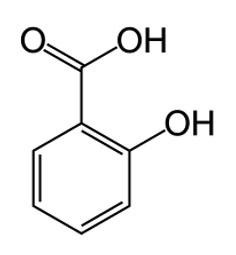
They are carboxylic acids derived from either benzoic or cinnamic acid skeletons. They have diverse utility including a role in nutrient uptake, structural components, enzyme activity, protein synthesis, photosynthesis, and allelopathy.
6. Lignin
7. Xanthones
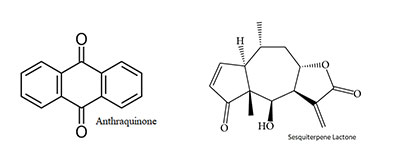
8. Anthraquinone
9. Edotides
10. Sesquiterpenes (Vernolide and Vernodalol)
References
Olasunkanmi S Omojokun., Akindele J Famurewa , Oluwademilade A Jaiyeoba , Ganiyu Oboh , Oluwaseun J Agbebi . Alkaloid extracts from Bitter leaf (Vernonia amygdalina) and Black nightshade (Solanum nigrum) inhibit phosphodiesterase-5, arginase activities and oxidative stress in rats penile tissue. 2019 Jun;43(6):e12889. doi: 10.1111/jfbc.12889. Epub 2019 May 15. https://pubmed.ncbi.nlm.nih.gov/31353618/
Ebenezer O. Farombi and Olatunde Owoeye. Int J Environ Res Public Health. 2011 Jun; 8(6): 2533–2555. doi: 10.3390/ijerph8062533. Antioxidative and Chemopreventive Properties of Vernonia amygdalina and Garcinia biflavonoid. https://www.ncbi.nlm.nih.gov/pmc/articles/PMC3138040/