KJC Medicinal Garden
Kari Manesu
Piper nigrum
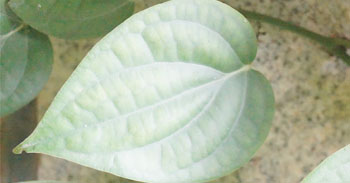

Order: Piperales
Family: Piperaceae
Genus: Piper
Species: P. nigrum
Common Names: Black pepper
Native to Malabar coast of India
Other plants of the same genus with medicinal properties
-
Piper aduncum L. (cough,fever)
Piper auritum Kunth (sore throat)
Piper betle L. (cut,bronchitis)
Piper longum L. (antidote to snake bite)
Piper marginatum (anti-inflammatory)
- Pepper is a perennial woody vine
- Stem : Vining or bushy, wooden, swollen nodes
- Leaves : Simple, alternating, ovate, green or yellow in colour.
- Fruit : Round, berry like, contain single seed, green color.
Uses in Tradition systems of medicine
- It has anti-inflammatory and expectorant properties.
- The root acts as an anticonvulsant.
- It has neuroprotective effects.
- It is an effective remedy for reducing nerve pain and itching caused by mites.
- Peppercorns are a good source of many anti-oxidant vitamins such as vitamin-C and vitamin-A. They are also rich in flavonoid polyphenolic anti-oxidants like carotenes, cryptoxanthin, zeaxanthin, and lycopene. These compounds help the body remove harmful free radicals and help protect from cancers and diseases.
- Peppercorns composed of health benefiting essential oils such as piperine, an amine alkaloid, which gives a strong spicy pungent character. They also carry numerous monoterpenes hydrocarbons such as sabinene, pinene, terpinene, limonene, myrcene,, etc., which altogether gives aromatic property to the pepper
Suggested Medicinal Properties
- It has anti-inflammatory, carminative, anti-flatulent properties.
- Black peppercorns contain a good amount of minerals like potassium, calcium, zinc.
- Manganese, iron, magnesium etc. Potassium is an important component of cell and body fluids that help controlling heart rate and blood pressure. Manganese is used by the body as a co-factor for the antioxidant enzyme. Iron is essential for cellular respiration and blood cell production.
Active Phytochemicals
Phytochemical investigation on Piper nigrum revealed that the presence of diverse class of chemical compounds including.
1. Protein
2. Calcium, Magnesium
3. Carbohydrates
4. Vitamins
5. Flavonoids
6. Carotenoids
7. Tannins
8. Sabinene
9. D-limonene
10. Caryophyllene
11. Piperine
12. Terpenoids
References
"Piper nigrum". Germplasm Resources Information Network (GRIN). Agricultural Research Service (ARS), United States Department of Agriculture (USDA). Retrieved 2 March 2008.
Harrison, Paul (27 January 2016). "What Are The Different Kinds Of Peppercorns?". Food Republic. Retrieved 21 November 2019.
Sen, Colleen Taylor (2004). Food Culture in India – Food culture around the world. Greenwood Publishing Group. p. 58.