Department of Life Sciences
Programmes Offered
Undergraduate Programmes
- B.Sc. Biotechnology & Genetics
- B.Sc. Biotechnology & Biochemistry
- B.Sc. Biotechnology & Botany
- B.Sc. Microbiology & Genetics
- B. PA Bachelor of Physician Associate
Postgraduate Programmes
- M.Sc. Biotechnology
- M.Sc. Microbiology
- M.Sc. Biochemistry
- M.Sc. Bioinformatics
PhD Programmes
- Ph.D. Biotechnology
- Ph.D. Microbiology
- Ph.D. Biochemistry
- Ph.D. Genetics
- Ph.D. Botany
The Department of Life Sciences was established in 2002 with a vision to provide comprehensive education in the field of Life Sciences. Recognizing the growing importance of this sector in generating employment opportunities and the demand for skilled professionals, the department offers undergraduate programmes in Biotechnology, Microbiology, Biochemistry, Genetics, Botany and postgraduate programmes in Biotechnology, Microbiology, Biochemistry and Bioinformatics.
BSc programmes followed triple majors from 2002 to 2020 and thenceforward, NEP curriculum was introduced with dual majors of four different combinations. With a commitment to educational excellence, state-of-the-art laboratories, and a focus on research, the department nurtures the scientific temperament of students and equip them with the skills required for emerging fields in Life Sciences.
Department Highlights
Faculty Expertise in the following field
Microbial Technology & Microbial Biotechnology
Expertise in industrial, agricultural, environmental, diagnostic, and medical microbiology, including microbial genomics, microbial biotechnology, microbial nanotechnology, fermentation technology, and bioreactor studies.
Biochemistry & Enzymology
Strong research experience in protein biochemistry, enzyme catalysis, enzyme kinetics, enzyme immobilization, protein purification, protein identification and characterization, peptide synthesis, and applied enzymology.
Molecular Biology & Genetic Engineering
Proficiency in molecular cloning, gene expression analysis, molecular genetics, applied genetics, molecular phylogeny, DNA barcoding, molecular evolution, and genetic engineering approaches.
Cancer Biology & Genotoxicity Studies
Research focus on cancer genetics, cancer signaling pathways, cancer biology, genotoxicity, molecular mechanisms of carcinogenesis, noncoding RNA, and molecular oncology.
Nanobiotechnology & Biomaterials
Expertise in nanobiotechnology, bionanotechnology, nanotoxicology, nanomedicine, biomedical material science, tissue engineering, and bio-nanotechnology applications.
Plant Biotechnology & Phytochemistry
Specialized knowledge in plant biochemistry, plant tissue culture, medicinal plants, phytochemistry, extraction and characterization of secondary metabolites, phytomedicine, and plant-based therapeutic research.
Environmental Science & Toxicology
Experience in environmental microbiology, environmental toxicology, neurotoxicology, cardiovascular toxicology, genotoxicity assessment, and ecological risk evaluation.
Infectious Disease Biology & Host–Microbe Interactions
Expertise in infectious disease mechanisms, host–pathogen interactions, molecular microbiology, redox signaling, drug resistance and tolerance, and translational infectious disease research.
Bioinformatics & Computational Biology
Proficiency in bioinformatics, microbial genomics, molecular modeling, computational structural biology, DNA/RNA secondary structure analysis, and multi-omics integration for precision medicine.
Neuroscience & Neurodegenerative Disorders
Research experience in neuroscience, neurotoxicology, neurodegenerative disorders, Drosophila genetics and behavioral studies, immunostaining techniques, and neurobiology.
Marine Biology & Natural Products
Expertise in marine biology, marine bioactives, natural product chemistry, sustainable biotechnological applications, nutraceuticals, cosmeceuticals, and bioactive compound research.
Applied Biotechnology & Translational Research
Experience in diagnostic kit development, point-of-care diagnostics, rational drug discovery, biocatalysis, fermentation technology, and translational systems biology.
Infrastructure & Facilities
Infrastructure
The Department has eight state-of-the-art laboratories and ICT-enabled classrooms.
Separate full-fledged laboratories for Biotechnology, Biochemistry, Microbiology, Botany, Genetics and research labs specialised in Animal cell, culture, Plant tissue culture, Hydra culture facility, and Phytochemistry, which caters to the curriculum and research needs of students and faculty.
A Central Instrumentation Laboratory with sophisticated analytical instruments caters to the analytical needs of the students
1.4.1 Laboratories
Kristu Jayanti Deemed to be University houses well-equipped Undergraduate Biotechnology, Biochemistry, Microbiology, Genetics, and Botany Laboratories that provide strong practical training in life sciences.
These laboratories are equipped with laminar airflow units, autoclaves, incubators, centrifuges, UV–visible spectrophotometers, electrophoresis units, microscopes, hot air ovens, pH meters, analytical balances, refrigerators, and deep freezers, supporting experiments in molecular biology, microbiology, biochemistry, genetics, and plant sciences.
The Postgraduate Biotechnology, Microbiology, and Biochemistry Laboratories offer advanced research-oriented training using PCR systems, ELISA readers, FTIR, CO₂ incubators, high-speed centrifuges, gel documentation systems, and cell culture facilities.
The Research Laboratory serves as the core of scientific innovation, supporting doctoral research and funded projects with real-time PCR, advanced bioanalytical instruments, biosafety-controlled facilities, and interdisciplinary research infrastructure, fostering high-quality research output and translational innovation.
Department Laboratories
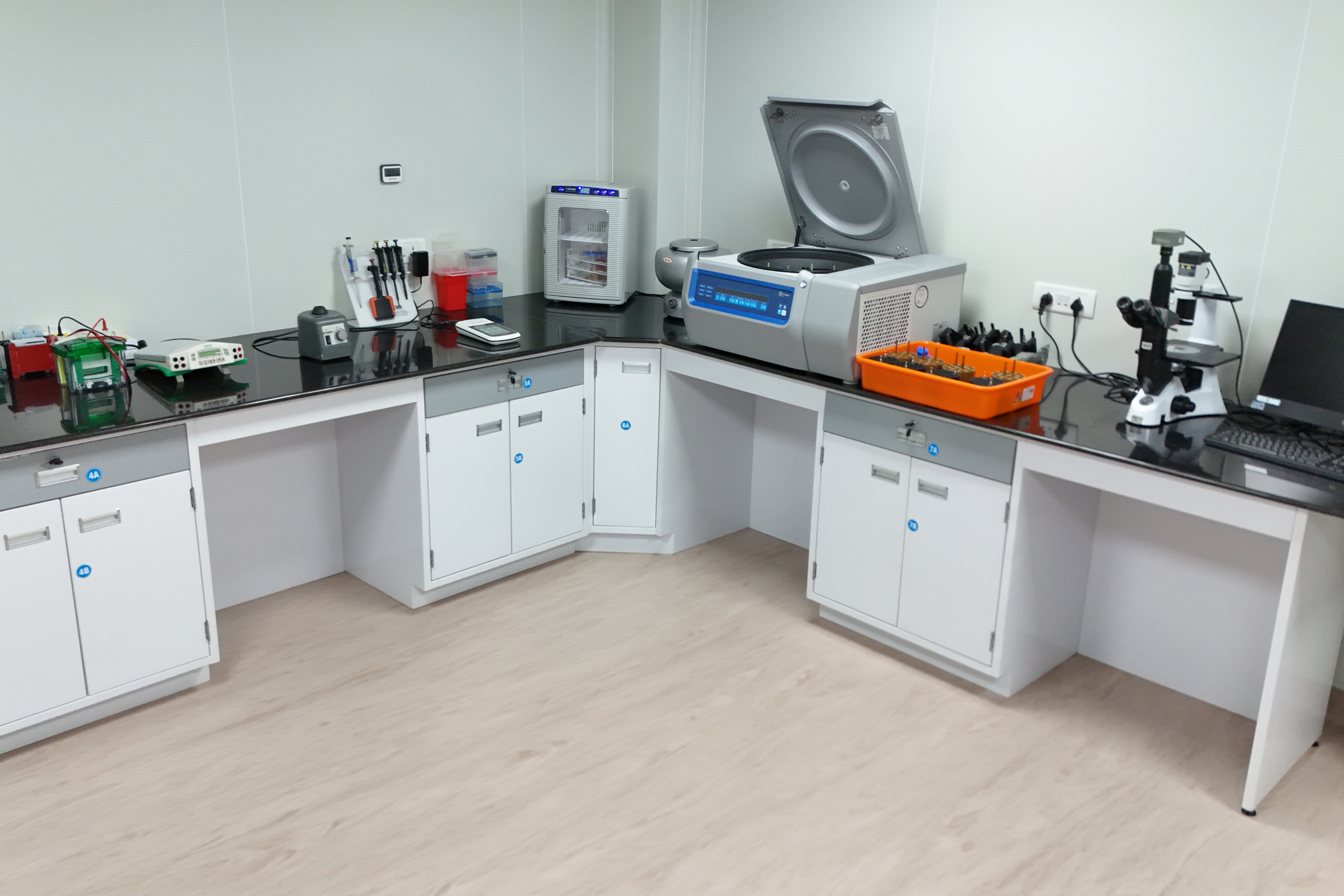
Animal Cell Culture Laboratory
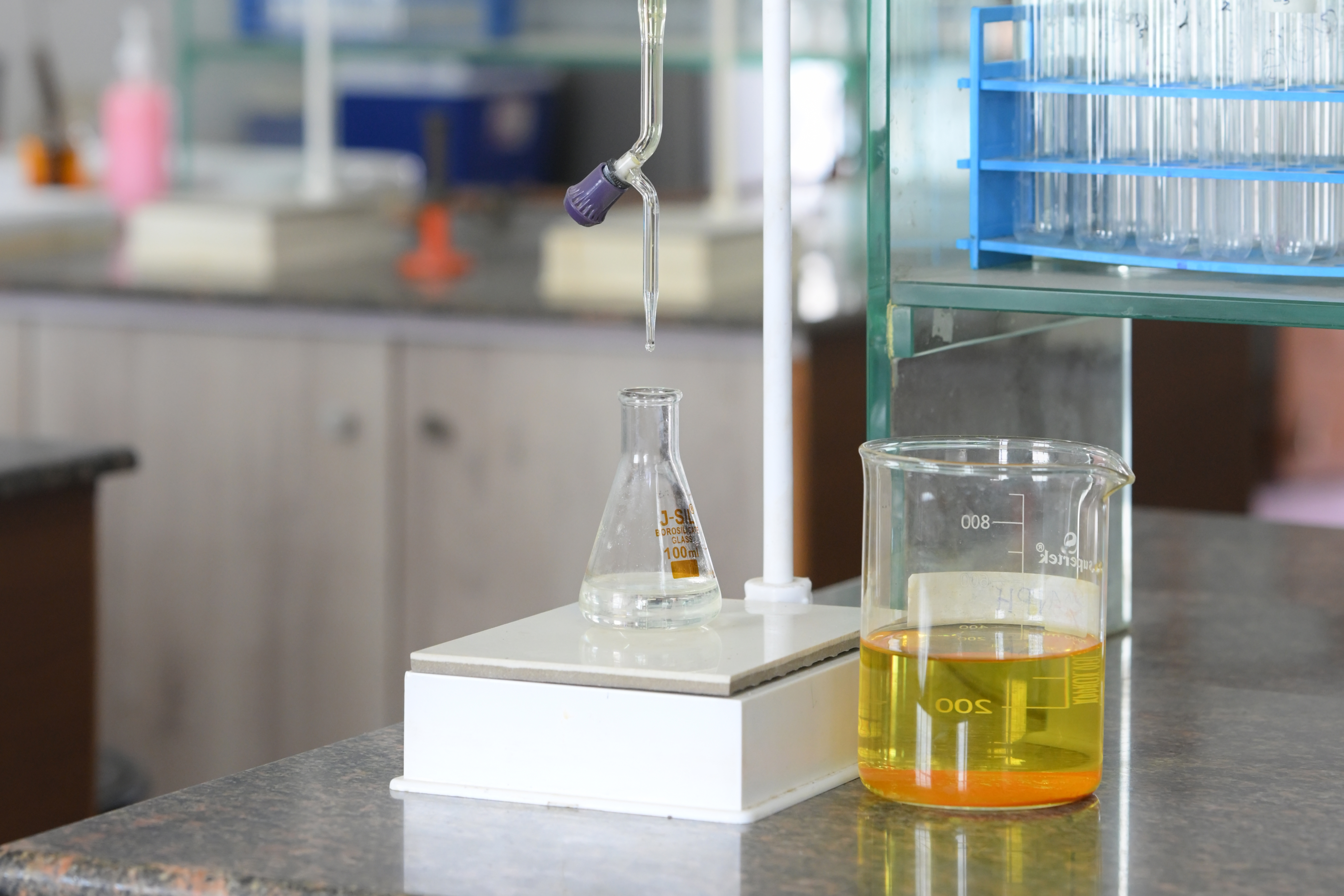
Biochemistry Laboratory
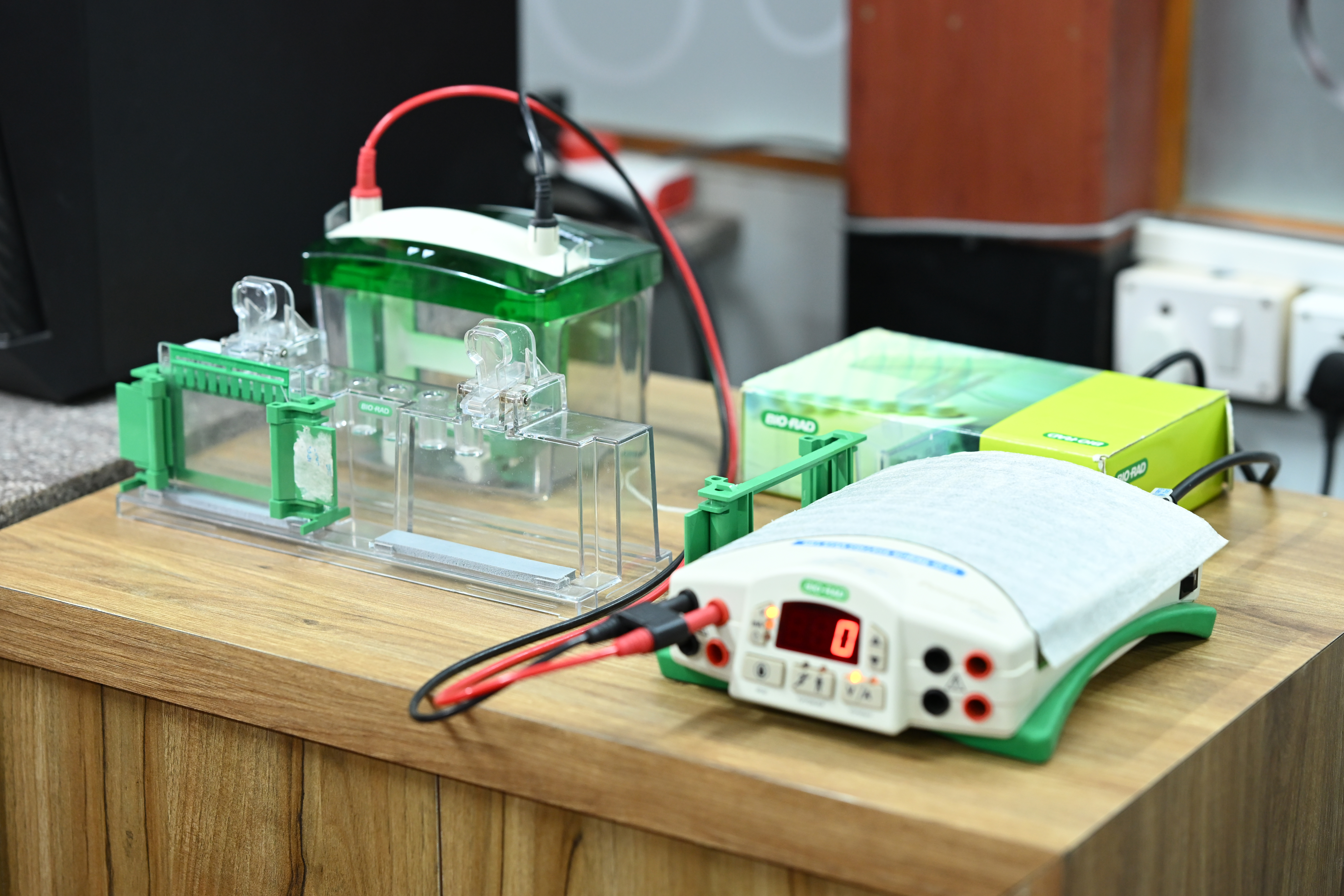
Biotechnology Laboratory
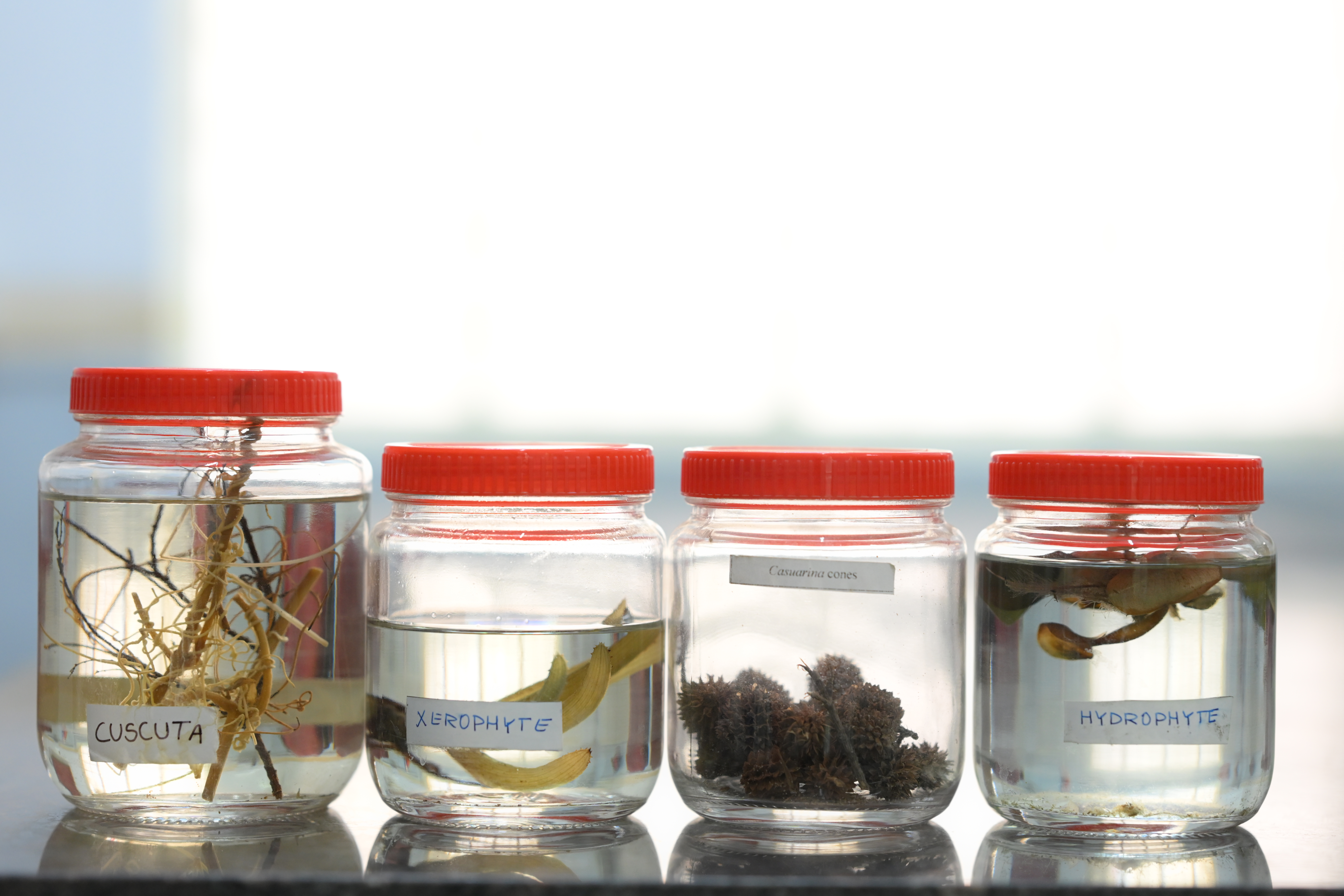
Botony Laboratory
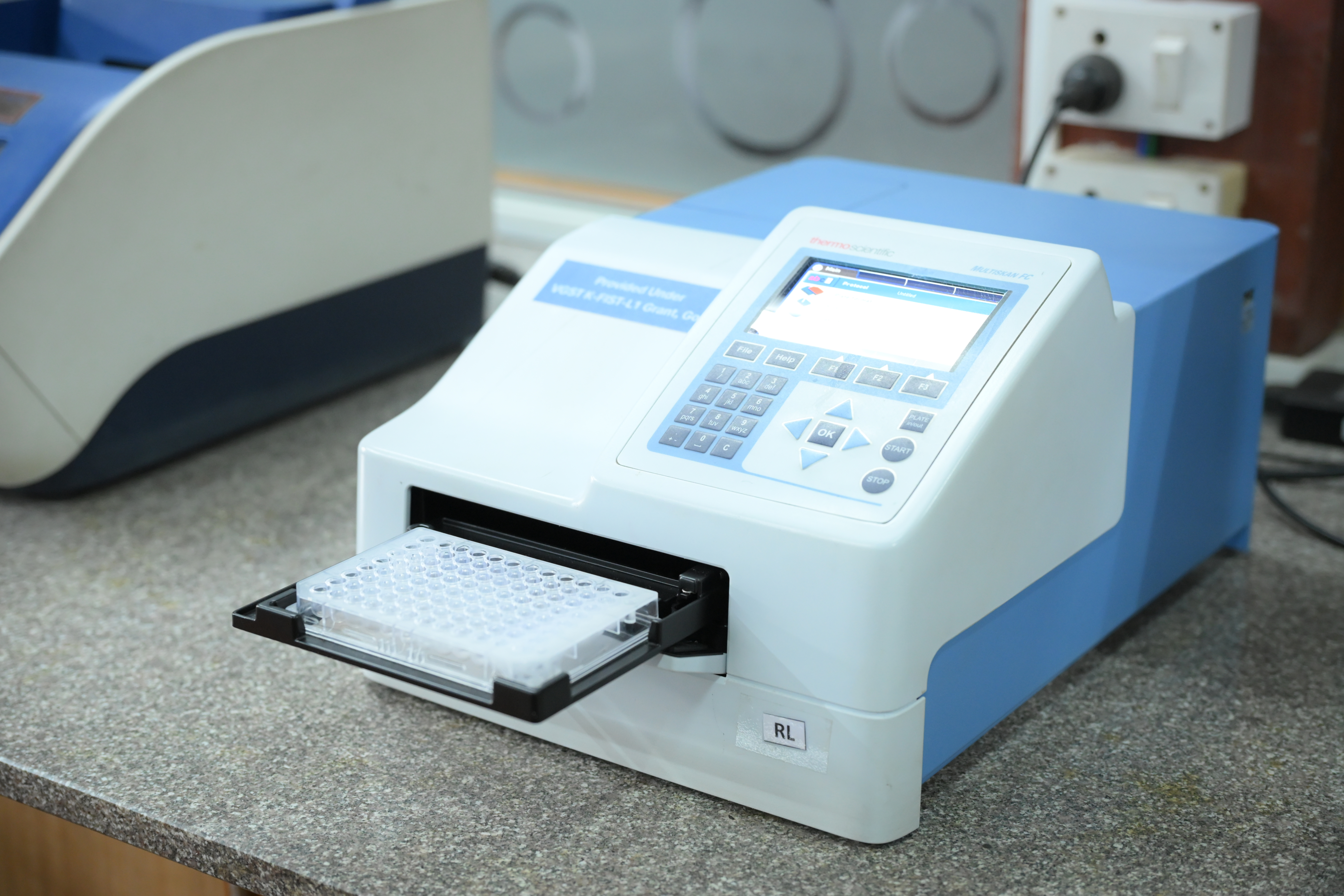
Central Instrumentation Facility
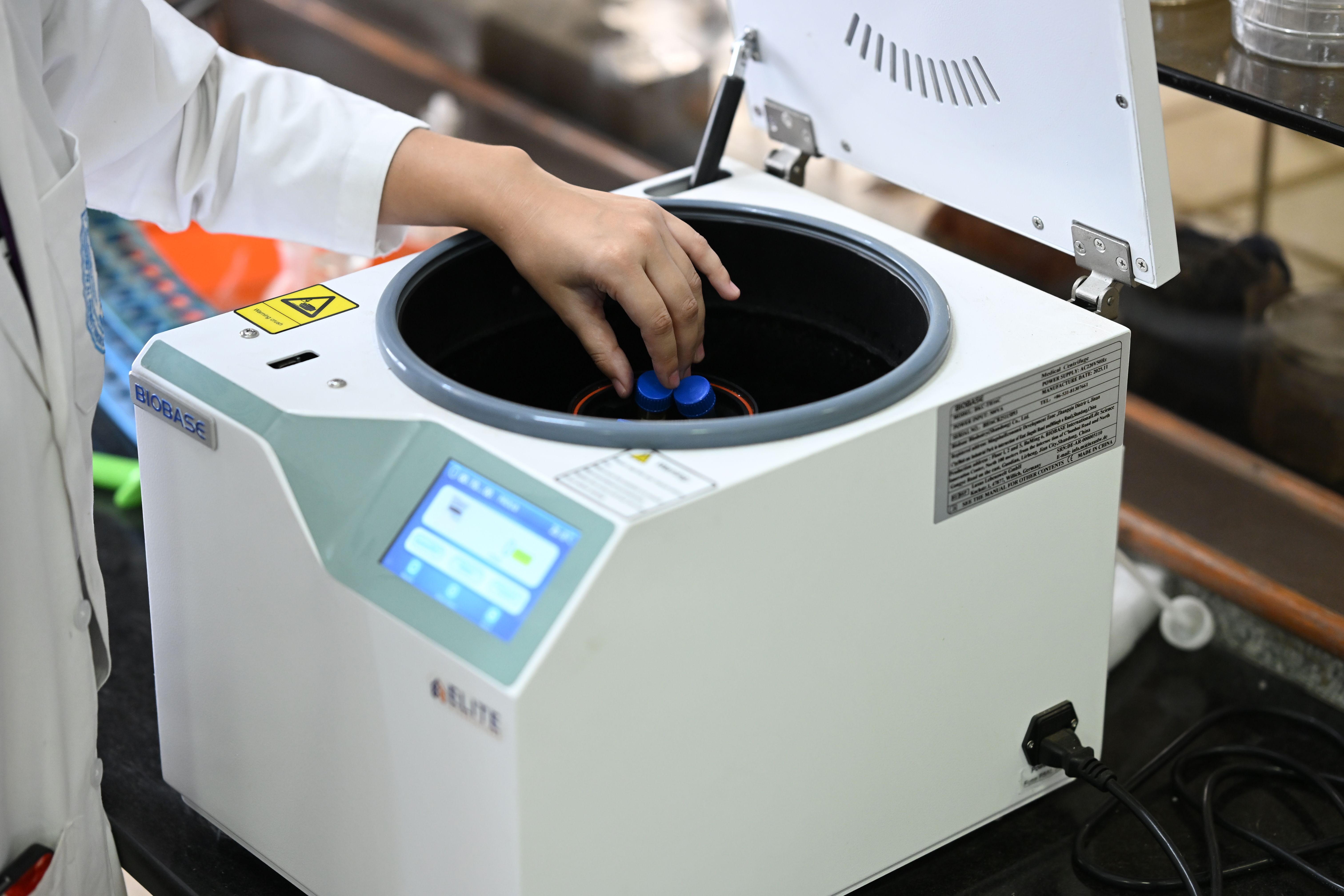
Genetics Laboratory
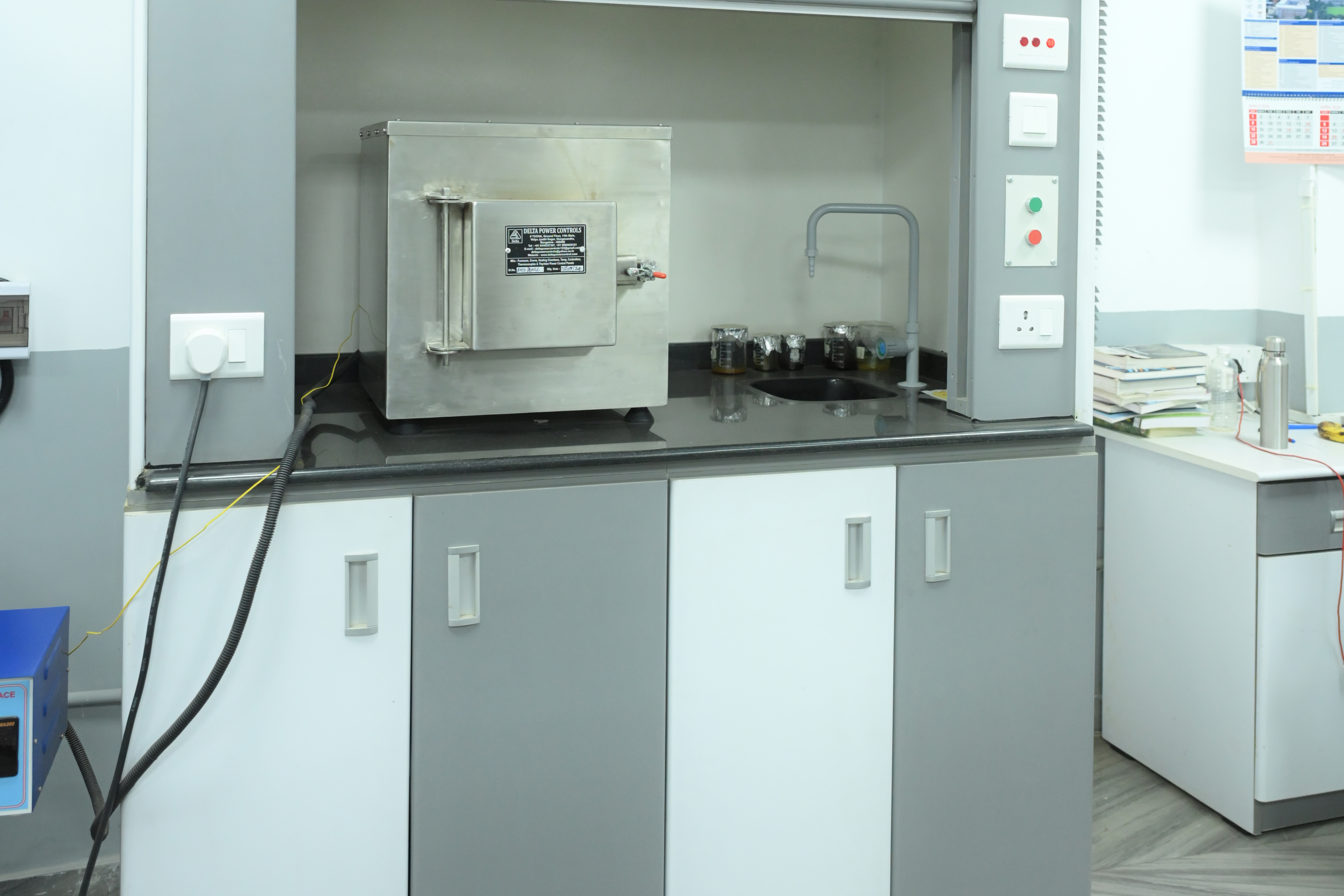
Material Science Laboratory
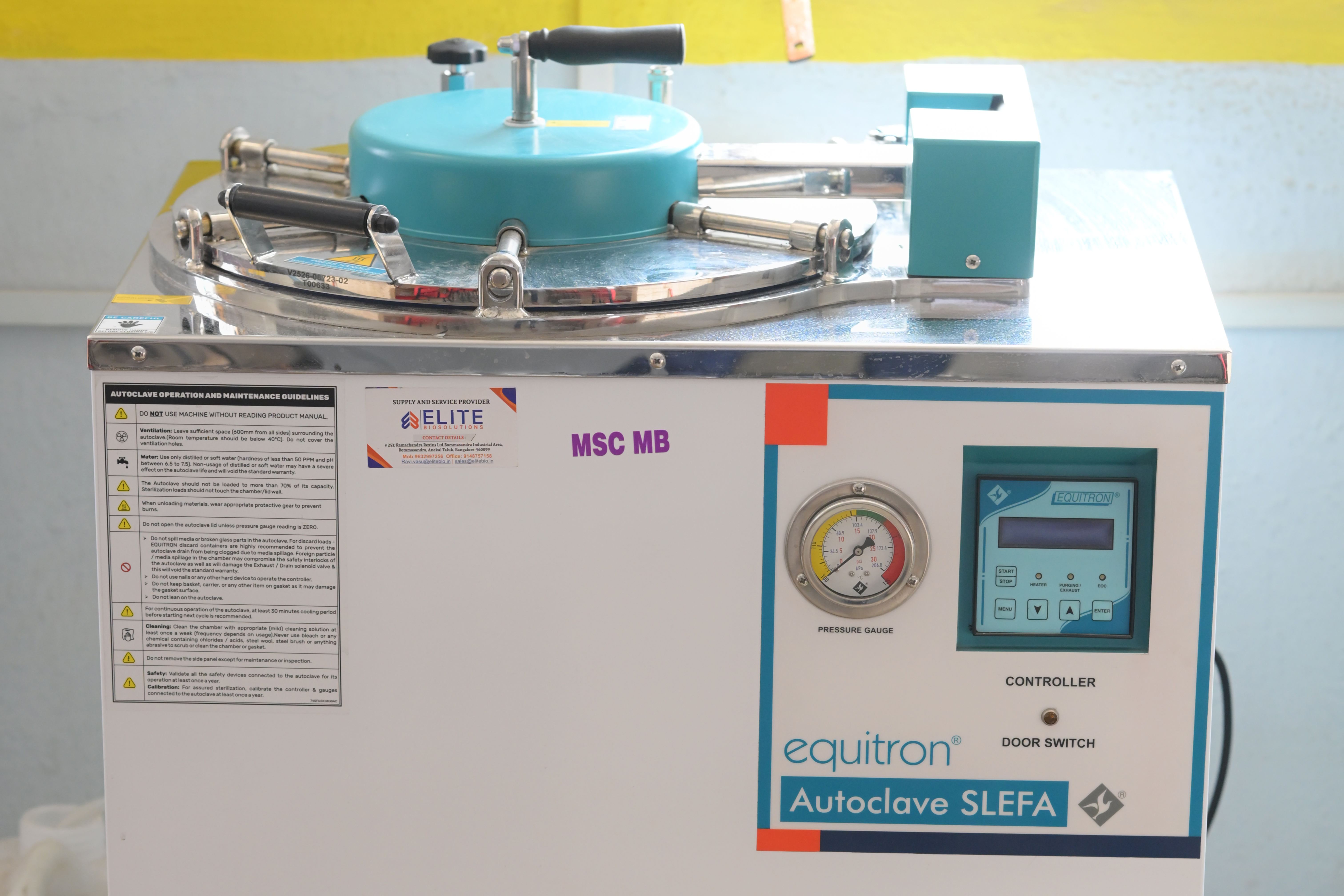
Microbiology Laboratory
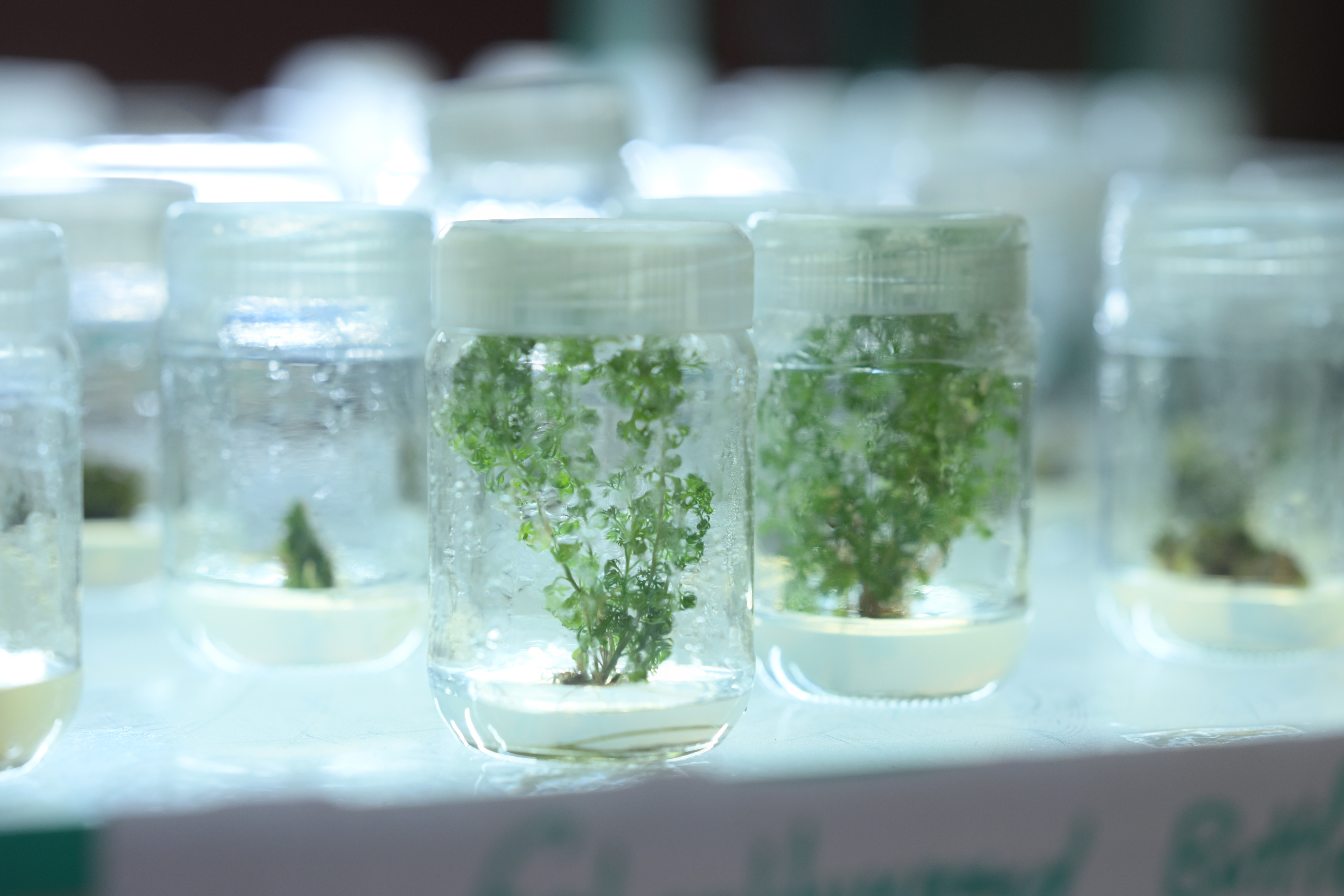
Plant Tissue Culture
1.4.4 Infrastructure and facilities for Research
- Central Instrumentation Facility (CIF): Provides state-of-the-art instruments like UV–Vis, FTIR, ELISA readers, PCR systems, and digital microscopes for research and learning.
- Specialised Research Units: CIF’s Hydra Facility and Microbial Culture Repository allow hands-on work with live models and microbial strains safely.
- Computational & Analytical Support: Equipped with high-performance computers and software for bioinformatics, molecular modelling, and advanced data analysis.
1.4.2 Classrooms
Smart classrooms are equipped with digital boards, projection systems, and high-speed internet connectivity.
Technology-enabled, student-centric teaching that strengthens conceptual understanding and engagement.
Focus on analytical thinking, scientific communication, and research-oriented skill development.
1.4.3 Department library resources
- Dedicated department library with discipline-specific textbooks, reference books, and advanced monographs in life sciences.
- Repository of project reports, dissertations, theses, and laboratory manuals supporting research and practical learning.
- Quiet, student-friendly study space that promotes independent learning and academic excellence.
1.4.5 Special facilities (skill studios)
The Department Skill Studio at Kristu Jayanti Deemed to be University is a state-of-the-art facility dedicated to enhancing practical skills, research aptitude, and professional competencies in life sciences.
Certificate Course in collaboration with Cascore Bio Pvt Ltd on CRISPR-Cas technology, as well as specialised training in animal cell culture, structure-based drug discovery, sporT nutrition, and phyto-microbiology.
Student Journeys (Real Voices, Real Experiences)

The Department of Life Sciences at Kristu Jayanti University provided me with a strong academic foundation and practical exposure that sharpened my analytical and communication skills. The well-structured curriculum, supportive faculty, and research-oriented learning helped me gain confidence beyond textbooks. This holistic training played a key role in shaping my career and securing my placement at Indegene as a Junior Copy Editor through CECR.
Ms. Reshma
M.Sc. Microbiology (Batch 2023 - 2025) Placed at Indegene as Junior Copy Editor through CECR, Kristu Jayanti University
The Department of Life Sciences at Kristu Jayanti University provided me with a strong conceptual foundation and practical training in biotechnology. The supportive faculty, industry-oriented curriculum, and skill-based learning enhanced my analytical abilities and professional readiness. This academic exposure played a crucial role in helping me secure my placement at CorroHealth as a Medical Coder through CECR.
Ms. Prerana R Shetty
M.Sc. Biotechnology (Batch 2023 - 2025) Placed at CorroHealth as Medical Coder through CECR, Kristu Jayanti University
The Department of Life Sciences at Kristu Jayanti University offered me a strong academic base and hands-on learning in biochemistry. The dedicated faculty, structured curriculum, and continuous mentoring helped me develop critical thinking and professional skills. This supportive learning environment played a significant role in helping me secure my placement at CorroHealth as a Medical Coder through CECR.
Ms. Muskaan Banu
M.Sc. Microbiology (Batch 2023 - 2025) Placed at CorroHealth as Medical Coder through CECR, Kristu Jayanti UniversityAlumni Testimonial

Mr. Uday Prakash, M.Sc. Biotechnology (Batch 2022–2024), Entrepreneur – Cervum, credits the Department of Life Sciences, Kristu Jayanti University, for playing a key role in shaping his professional journey. The department provided strong academic grounding, hands-on research exposure, and continuous mentoring that helped him develop an entrepreneurial mindset. Through career guidance, industry interactions, and encouragement to innovate, the faculty supported him in translating scientific knowledge into a successful startup venture.
Mr. Udaya Prakash
M.Sc. Biotechnology (Batch 2022 - 2024) Founder – Cervum Private Limited
Ms. Gopika, M.Sc. Biotechnology (Batch 2022–2024), Entrepreneur – Appachiii, expresses her gratitude to the Department of Life Sciences, Kristu Jayanti University, for the strong academic foundation and career guidance she received. The department’s supportive faculty, practical training, and mentorship helped her build confidence, critical thinking, and entrepreneurial skills. Continuous guidance and encouragement to explore innovative ideas played a significant role in shaping her journey as an entrepreneur.