

Home / School of Biological & Forensic Sciences / Department of Life Sciences / B.Sc. Biotechnology & Botany
The B.Sc. Biotechnology & Botany Programme offers a comprehensive study of biotechnology, plant sciences, and the chemical processes of life. Biotechnology introduces cutting-edge techniques in genetic engineering, molecular diagnostics, and bioinformatics. Botany focuses on the structure, function, and diversity of plants, emphasizing their ecological and economic importance. Supported by state-of-the-art laboratories and expert faculty, the programme equips students with theoretical knowledge and practical skills essential for careers in research, industry, and higher education.
This programme addresses the increasing global demand for skilled professionals who can seamlessly blend theoretical life sciences with modern industrial, medical, and technological applications. By offering deep technical grounding alongside multidisciplinary problem-solving skills, it prepares students to navigate evolving challenges in healthcare, environmental sustainability, and agricultural innovation.
Synergistic curriculum covering plant developmental biology, conservation, and genetic modification techniques.
Hands-on training in plant tissue culture, micropropagation, and molecular marker techniques.
Focus on sustainable agricultural practices, biodiversity conservation, and plant bioproducts for environmental impact.
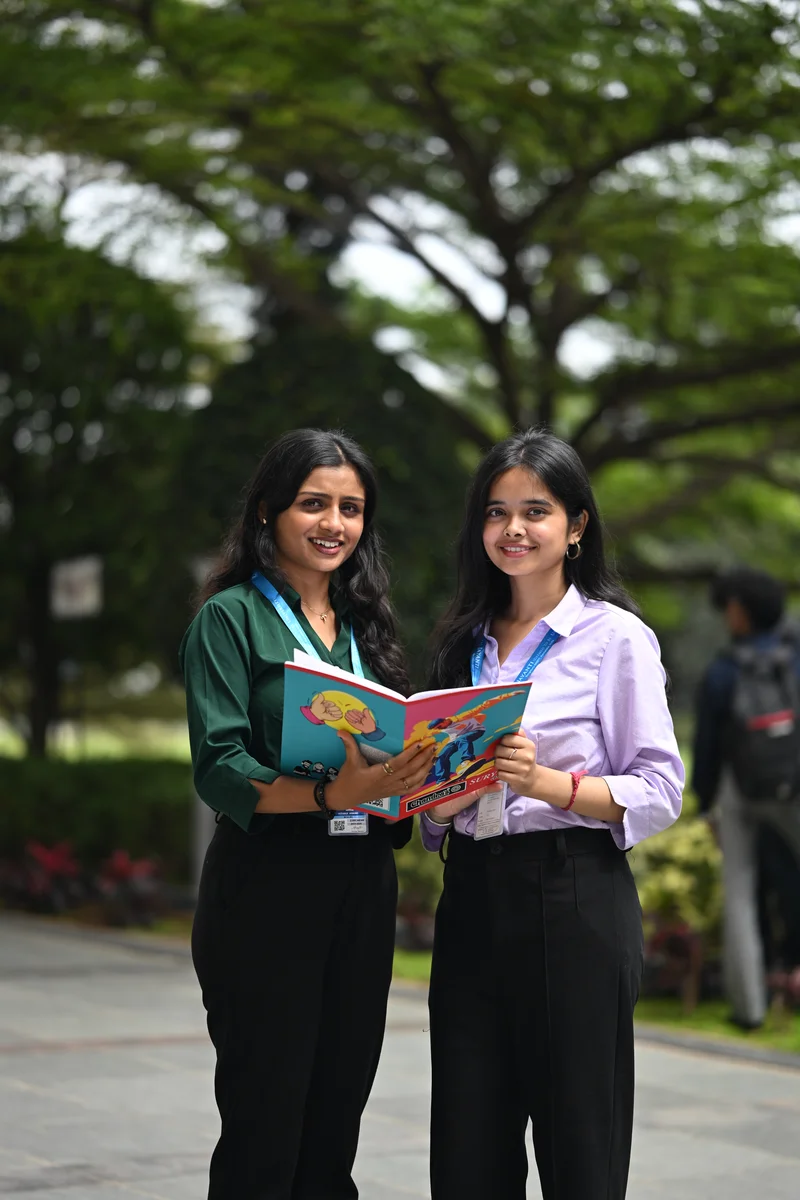
A dual-focus biological curriculum combining modern biotechnology, genomics, and advanced botanical conservation science.
Programme Title: B.Sc. Biotechnology & Botany
Specialization: Biotechnology, Plant Sciences, Botanical Genomics
Duration: 3 years (Bachelor's); optional 4th year for B.Sc. Honours under NEP 2020
Study Mode: Full time
Core Academic Focus Areas: Cellular and microbial systems, Bioinstrumentation and biostatistics, Molecular and genetic mechanisms, Lower plant diversity, Plant anatomy, reproductive biology, and Plant-environment interactions
Learning Pathway: Bioinformatics, Marine Botany, Mushroom Cultivation Technology, Food Science and Technology, Health and Wellness, Environmental Science and Research Methodology, with fieldwork and industry internships.
Bachelor of Science – Biotechnology and Botany [2026 Batch] — semester-wise course distribution.
Review the mandatory academic qualifications and minimum score criteria required for admission.
Candidates who have completed Higher Secondary (10+2 / PUC) or Equivalent with an aggregate of 40% or an equivalent CGPA and have studied Biology as one of the subjects are eligible.
Note : Students have the option to exit the four-year Bachelor's degree programme after completing three years. In such cases, they will be awarded a Bachelor’s Degree.
Students who successfully complete the full four-year Bachelor's degree programme will be eligible for the award of a Bachelor’s Degree (Honours).
Looking for a programme that matches your interests?
Find Programmes by InterestTargeted competencies and practical mastery achieved by graduates throughout their academic journey.
PSO1: Demonstrate knowledge of concepts and principles in Biotechnology and Botany.
PSO2: Apply principles and techniques of Biotechnology and Botany in environmental sustenance, industrial and societal settings.
PSO3: Exhibit proficiency in conducting and interpreting experiments in Biotechnology and Botany, adhering to safety standards.
PSO4: Formulate ethical and systematic research in Biotechnology and Botany.
Key strengths, experiential learning, and strategic career advantages offered by the programme.
The B.Sc. Biotechnology and Botany programme bridges classical plant sciences with cutting-edge modern biotechnology, plant tissue culture, molecular genetics, and environmental sustainability.
At Kristu Jayanti University, the curriculum provides hands-on laboratory immersion, botanical field studies, plant molecular diagnostics, and bioprocess applications, preparing students for innovative contributions in agricultural biotechnology, conservation, and research.
Choosing this programme enables students to:
With state-of-the-art laboratory infrastructure, esteemed faculty mentorship, and active industry collaborations, graduates are empowered for leadership across research institutions, healthcare enterprises, and global academic environments.